Quality Food: Provide high-quality dog food, tailored to their age (puppy, adult, or senior). Pomeranians need a balanced diet with protein, healthy fats, and essential vitamins and minerals.
Portion Control: Due to their small size, portion control is important to avoid overfeeding. Follow the feeding guidelines on the dog food package and adjust according to your dog’s activity level and weight.
Fresh Water: Make sure your Pomeranian has access to fresh water at all times to stay hydrated.
2. Grooming
Brushing: Pomeranians have thick double coats that require regular brushing to prevent tangles and matting. My poms usually are not shedding with the change of season.
Bathing: Bath them about once a month, or when necessary, using a gentle dog shampoo. Be careful not to bathe too often, as it can dry out their skin.
Nail Trimming: Trim their nails every 3-4 weeks to prevent them from getting too long or causing discomfort.
Ear Cleaning: Check their ears for dirt or wax buildup weekly. Use a vet-approved ear cleaner to keep them clean and avoid infections.
Dental Care: Regular brushing (ideally 2-3 times a week) is important to prevent tartar buildup and dental issues, as small breeds like Pomeranians are prone to dental disease.
3. Exercise and Play
Daily Walks: Pomeranians have moderate energy levels. Take them for short, daily walks to keep them active and stimulated. A 20-minute walk should suffice.
Playtime: Engage in interactive play to keep them mentally and physically stimulated. Toys like balls, puzzle toys, or tug ropes are great for fun playtime.
Mental Stimulation: Pomeranians are intelligent and enjoy problem-solving games. Puzzle toys or treat-dispensing toys are great for keeping their minds sharp.
4. Training and Socialization
Basic Commands: Start training early with basic commands like “sit,” “stay,” and “come.” Pomeranians are smart but can be a bit stubborn, so consistency is key.
Potty Training: Potty training is essential. Take them outside frequently (especially after meals and naps), and use positive reinforcement for successful potty breaks.
Socialization: Expose them to new people, animals, and environments early on to prevent fear or aggression. Proper socialization helps them grow into well-rounded adults.
Positive Reinforcement: Reward good behavior with treats, praise, or playtime to reinforce desired actions.
5. Health Care
Regular Vet Checkups: Take your Pomeranian to the vet for regular check-ups, vaccinations, and parasite prevention. Annual visits are typical, but your vet may recommend more frequent visits based on health needs.
Flea, Tick, and Worm Prevention: Make sure your Pomeranian is on a flea, tick, and worm prevention program, as small breeds like them can be more vulnerable to these pests.
Watch for Common Health Issues: Pomeranians are prone to certain health conditions, such as dental problems, patellar luxation (knee problems), and heart disease. Regular check-ups will help catch any issues early.
Maintain a Healthy Weight: Pomeranians can easily become overweight. Monitor their weight, adjust their food intake and exercise if needed.
6. Environment and Comfort
Safe Space: Create a comfortable and safe living space for your Pomeranian. Since they’re small and energetic, they benefit from cozy places to rest, like a soft bed or crate.
Temperature Sensitivity: Pomeranians are sensitive to extreme temperatures, especially heat, due to their thick coats. Make sure they’re kept in a cool, shaded area during hot weather and avoid leaving them outside for too long.
Avoid Stress: Pomeranians are known for being prone to separation anxiety, so try to avoid leaving them alone for long periods. They thrive on companionship.
7. Travel and Adventures
Car Travel: When traveling by car, use a secure dog carrier or a seatbelt harness designed for dogs to keep them safe.
Avoid Overexertion: While Pomeranians enjoy adventure, they’re small and can tire quickly. Keep an eye on them and avoid overexerting them on long walks or hikes.
8. Love and Attention
Affection: Pomeranians love attention from their owners. Give them plenty of affection, cuddles, and praise. They thrive on being part of the family and enjoy being close to their humans.
Companionship: They may struggle with being alone for long periods, so try to spend quality time with them every day. If you work long hours, consider hiring a pet sitter or asking a friend to help.

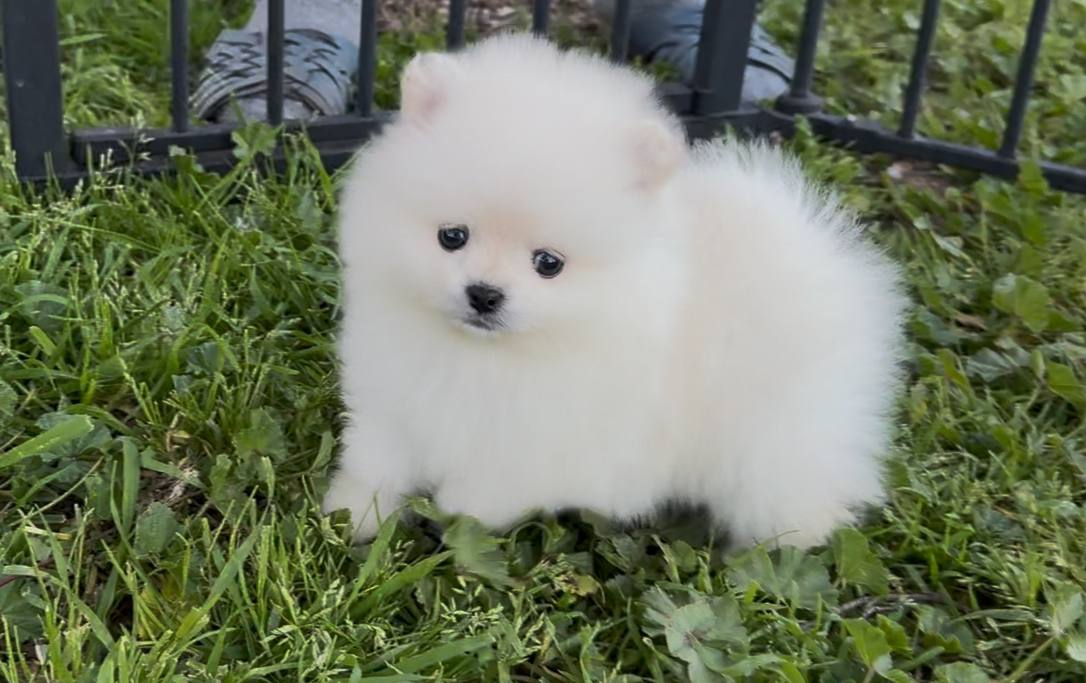
 Helen Puppies